
Ask ten London landlords what they spend keeping a property in good order, and you will get ten different answers. Some quote a neat percentage of rent, some name a figure from three years ago, and most, if they are honest, are guessing. It’s understandable. Property maintenance costs in London are genuinely hard to pin down, because the same job can vary by hundreds of pounds depending on the borough, the age of the building and whether you are calling someone out on a Tuesday morning or a Sunday night. But guessing is expensive. It is how a £200 repair becomes a £4,000 one, and how a landlord ends up making decisions based on whichever quote landed first.
So here is a straight breakdown of what things actually cost, where the money goes, and how to build a budget that survives contact with reality.
Why Are Property Maintenance Costs in London Higher Than Everywhere Else?
The gap is real, and it’s bigger than most people expect. A qualified plumber charges roughly £45 to £75 an hour across the UK. Inside the M25, that climbs to around £65 to £105. Electricians follow the same pattern: roughly £45 to £65 an hour nationally, rising to £60 to £90 in London and higher again for emergency or specialist work. Day rates tell the same story, with London trades typically quoting £280 to £450 or more against £200 to £350 elsewhere.
None of that is a premium for the postcode. It’s the cost of operating here. Congestion and emissions charges, parking, insurance, wages and travel time all land on the invoice eventually. A trade spending forty minutes finding a space near a Zone 2 conversion is forty minutes not spent working, and all time is priced in. Much of London’s housing stock consists of Victorian and Edwardian terraces, period conversions and buildings that have been reshaped and altered time and again over a century. Nothing is quite standard once you start, pipework runs where nobody expects it, wiring gets discovered mid-job, and non-standard work always takes longer.

What Do Everyday Repair Jobs Actually Cost?
On the plumbing side, replacing a tap typically runs £80 to £160. A straightforward leak repair sits around £120 to £280. Swapping a toilet lands between £220 and £450, and a radiator changeover costs roughly £140 to £260 in labour, plus £120 to £400 for the radiator itself.
Electrical work follows a similar shape. Fitting a new light switch is usually £60 to £100, and adding a socket £80 to £150. Anything touching a consumer unit costs more, because the certification requirements are heavier. Then there are the larger items. A full bathroom fit generally falls between £1,500 and £4,000 depending on the suite. A new boiler runs about £2,000 to £3,500 installed. A complete rewire of a three-bedroom property sits in the £3,500 to £5,500 range.
Emergencies are also something you should budget for. So consider out-of-hours calls which commonly cost £150 to £350 before any work begins, and weekend or bank holiday labour is frequently charged at double the standard rate. A burst pipe at 11 p.m. is one of the few situations where property maintenance costs in London can double for reasons that have nothing to do with the difficulty of the job.
What Should You Budget for Annual Compliance Checks?
Compliance is the one area where the spending is predictable, which makes it the easiest part of the budget to get right. A landlord gas safety certificate, still widely called a CP12, typically costs £60 to £90 nationally for a single appliance, with £10 to £20 added for each additional one. In London the same check usually lands between £80 and £150, and a standard two-appliance property tends to sit around £70 to £110. It has to be renewed every twelve months by a Gas Safe registered engineer, without exception.
An annual boiler service costs £60 to £100 on its own. Book it alongside the gas check and a combined visit generally runs £85 to £130, saving £30 to £60 against booking separately. The engineer only travels once, and a freshly serviced boiler is far less likely to fail its safety check.
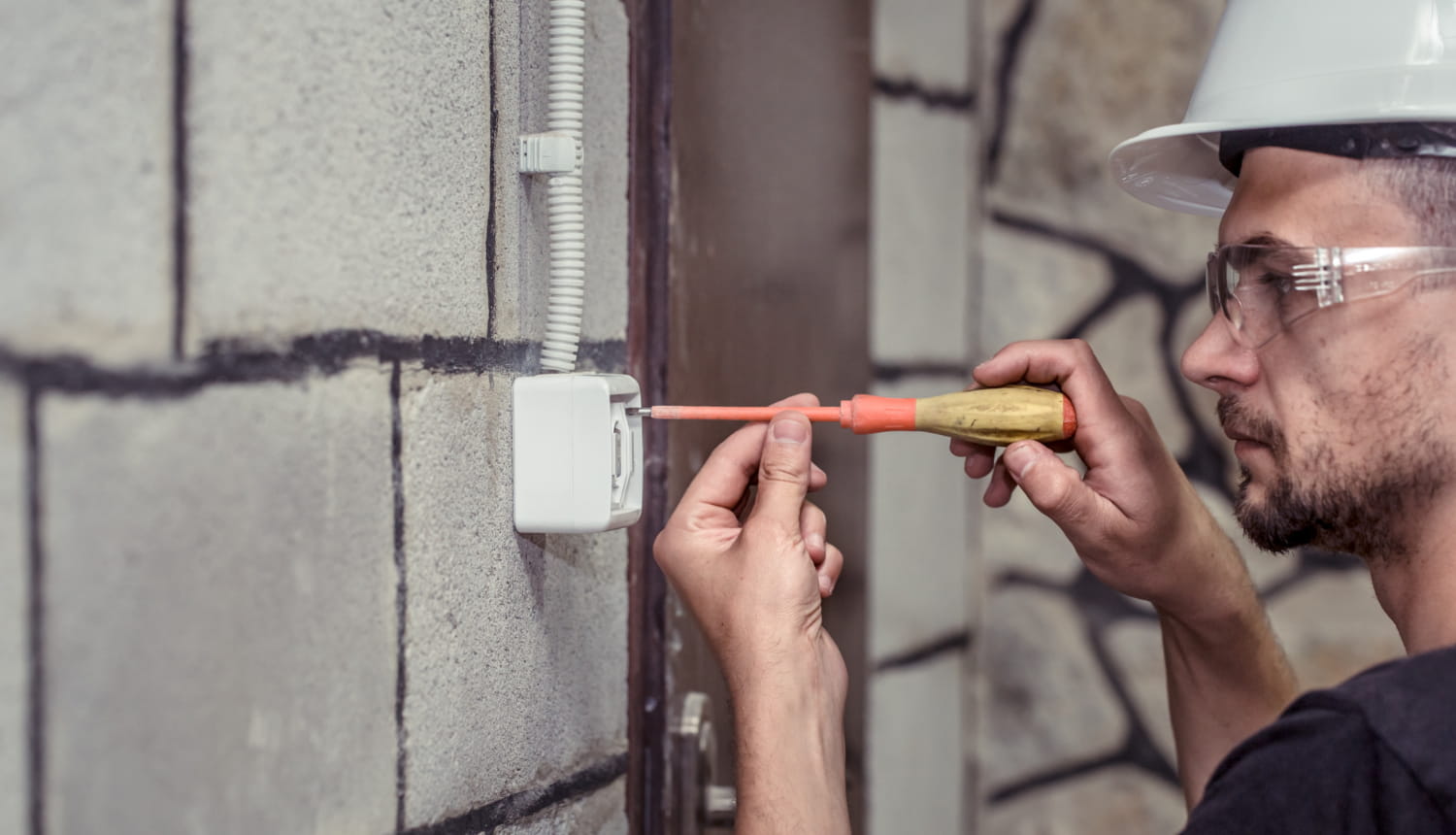
Electrical installation condition reports run on a five-year cycle rather than an annual one, so they are easy to forget and unpleasant to be caught without. Bundling certificates onto a single visit is the simplest saving available to any landlord, and it scales well across a portfolio. All of it is deductible against rental income, so keep the invoices with the certificates.
Is Planned Maintenance Really Cheaper Than Fixing Things as They Break?
Reactive maintenance feels cheaper because you only pay when something goes wrong. However, when you consider something like a slipped roof tile, that costs very little to reset. Left alone for a winter, it becomes damp in a bedroom ceiling, then replastering, then redecorating, then a tenant with a legitimate complaint. A boiler that has never been serviced does not fail in September. It fails in January, out of hours, at emergency rates, in a property you now cannot let.
Two rules of thumb are worth holding onto. Budget somewhere around one percent of the property’s value each year for maintenance, or roughly 10 to 15 percent of your annual rental income, whichever produces the more cautious number. Older buildings and period conversions should sit at the top of that range.
There is also a cost that never appears on an invoice. Tenants who report a problem and see it fixed properly tend to stay. Tenants who chase the same issue three times start looking elsewhere, and a single void month in London will dwarf whatever you saved by delaying the repair.
How Do You Build a Property Maintenance Budget You Can Trust?
Start by getting itemised quotes rather than a single figure. A quote that separates labour, materials, call-out and VAT tells you something. A round number does not, and it is impossible to compare against anything. Ask three questions before booking any job. Is VAT included? Is the call-out or first hour part of the price? What happens if the job takes longer than expected? Most disputes about property maintenance costs in London come down to one of those three going unasked.
Check accreditations properly, not just logos on a website. Gas work requires Gas Safe registration, electrical work requires a recognised scheme such as NICEIC, and neither is optional. A certificate from someone unregistered is worth nothing, whatever you paid for it. Finally, consider consolidating. Landlords who use one contractor across trades tend to spend less overall, because they are not paying separate call-out charges for a plumber, an electrician and a decorator to visit the same flat in the same fortnight.
That is where Huntley Contractors comes in. We are a NICEIC, Gas Safe and CHAS registered building and refurbishment contractor with more than 15 years of experience across London, working from our North London base. We cover plumbing, electrics, boiler installation and repair, kitchens and bathrooms, roofing and guttering, plastering and decorating, fire door surveys and communal works, alongside dedicated landlord services. Whether you need a single repair handled properly or a maintenance arrangement across a portfolio, we will give you a clear, itemised quote before any work starts, with no surprises on the invoice.
Get in touch with Huntley Contractors today for an honest assessment of what your property actually needs, and what it should cost.